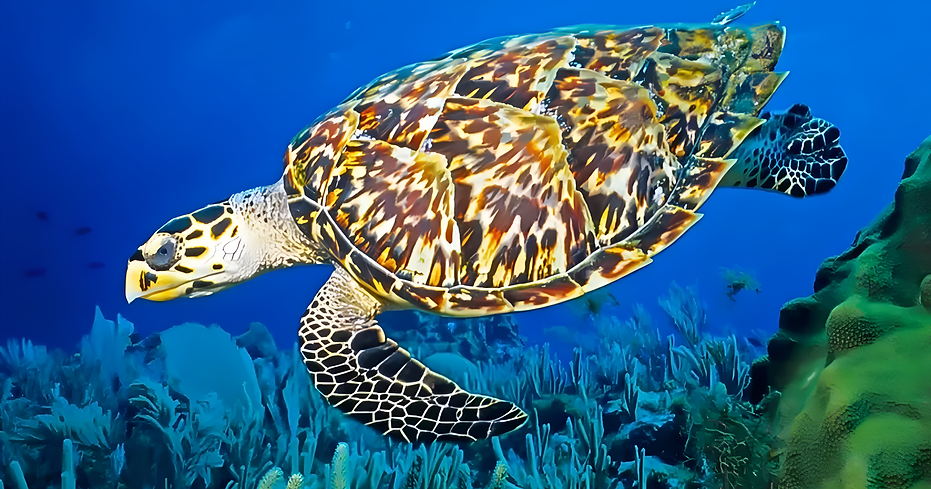
The Strait of Hormuz, home to rich marine biodiversity including green sea turtles, dolphins, coral reefs, and diverse sea creatures, suffered environmental damage from a major incident on March 17, 2026. U.S.-Israeli airstrikes targeting Iranian coastal missile sites generated powerful underwater shockwaves and released toxic contaminants into the marine environment near the Strait. Independent experts, including the Conflict and Environment Observatory (CEOBS) and UN-affiliated researchers, warn of heightened risks to coral reefs, seagrass beds, and marine life, with potential long-term damage that could take years to decades for full recovery in affected areas. The incident has sparked serious international concern for the protection of the Persian Gulf’s unique underwater ecosystems and biodiversity.
Key Details of the Incident:
-
Damage Extent: Powerful underwater shockwaves and toxic contamination affected marine habitats, with risks of sediment disruption, chemical pollution, and harm to coral reefs, fish populations, green sea turtles, dolphins, and other sea life in the Strait of Hormuz.
-
Context: The incident occurred on March 17, 2026, during U.S.-Israeli airstrikes targeting Iranian coastal missile sites near the Strait of Hormuz in the early phase of the conflict.
-
Significance: The Strait of Hormuz supports one of the most biodiverse marine regions in the Persian Gulf, featuring vibrant coral ecosystems, green sea turtles, dolphins, and numerous fish species. It is vital for regional marine life and local fishing communities.
-
Response: Independent organizations such as the Conflict and Environment Observatory (CEOBS), marine biologists, and UN-affiliated researchers have highlighted the serious threats to the marine environment caused by the strikes and associated pollution risks.
-
Condition & Restoration: The underwater shockwaves and toxic release created significant risks to fragile marine ecosystems. Experts estimate that recovery of heavily affected coral reefs and habitats could take years to decades due to the sensitivity of these areas and the persistence of pollutants.
Our Preliminary Estimate
Emergency environmental assessment, initial contamination monitoring, early coral triage and nursery setup, and coordination with CEOBS and UN-affiliated researchers across the affected Strait zone.
$500,000 – $2,000,000 USD